



Varicose veins have been known since time immemorial; even in ancient times, eminent doctors tried to curb it, but failed.What has changed since then?Today, varicose veins have become a symbol of modernity, as they are the scourge of most residents of Western countries who lead a sedentary lifestyle.
The disease did not spare the countries of Eastern Europe, where industrialization and then offices absorbed new workers, chaining them to computers.
Varicose veins are an irreversible pathological process of dilation and lengthening of veins with thinning of the venous wall and the formation of “nodes”, as well as insufficiency of their valves due to a genetic defect.The disease affects both women and men.
Varicose veins are a common disease that occurs at a fairly young age.People aged 30 to 40 years are especially susceptible to the disease.
Drug treatment
To date, three approaches to the treatment of varicose veins have been substantiated.These are the most widely practiced areas:
- sclerotherapy;
- laser treatment and radiofrequency obliteration;
- surgical removal of veins.
Treatment objectives:
- stop the development of the disease;
- reduce pain, swelling and pain;
- prevent complications;
- improve venous circulation.
The range of products designed to help with this disease is quite extensive: tablets, ointments, gels, creams, pastes, tinctures and compresses, massage, special gymnastics.
Leg cream for varicose veins can be used in fairly advanced stages of the disease, because its active components enhance the therapeutic effect of other remedies.
However, a cream for varicose veins is not a panacea, but only a means for reliable prevention and treatment of the disease in an integrated approach.
Gel for varicose veins is the most effective remedy due to the possibility of deep penetration into the patient’s skin.
This is why the use of gels is recommended - they are more hygienic and faster-acting.
They contain substances that facilitate the rapid penetration of active components into the tissues of the body.
Groups of creams and gels
Groups of gels and creams for the treatment of varicose veins:
- phlebotonics— improve the tone of the walls of blood vessels and help improve blood flow;
- antithrombotic- improve blood rheology;
- non-steroidal anti-inflammatory analgesics– have anti-inflammatory and analgesic effects, reduce tissue swelling, prevent platelet aggregation;
- corticosteroids– have anti-inflammatory, vasoconstrictor and anti-allergic effects, reduce the migration of leukocytes, inhibit the growth of fibroblasts, preventing the development of connective tissues at the site of the lesion.
The best gels and creams for the disease
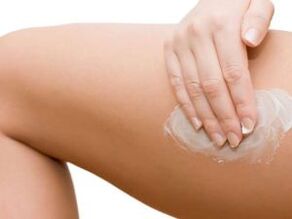
Which gel or cream is better for varicose veins is a controversial question, but a specialist will help answer it.
Only a doctor can recommend the most appropriate drug - a phlebotonic, an antithrombotic agent or an NSAID.
The sedentary lifestyle of modern people provokes multiple problems in the vascular system.
Do not underestimate the consequences of such a disease.
While not causing discomfort in the early stages, varicose veins can significantly impair the quality of life and cause complications.
That is why, at the first signs of illness, you should consult a doctor and use creams and gels in the treatment of varicose veins.